-
Interactive DashboardsCreate interactive BI dashboards with dynamic visuals.
-
End-User BI ReportsCreate and deploy enterprise BI reports for use in any vertical.
-
Spreadsheet AnalyticsNewLast-Mile Analytics Tool.
-
Narrative Data StoriesThe Next Evolution of Data Storytelling
-
Automated Business DocumentsNewDocument Generation for Smarter Workflows
-
Visual Data Pipeline BuilderDesign Complex Data Flows, Simply.
-
Wyn ArchitectureA lightweight server offers flexible deployment.
-
 Wyn Enterprise 7.1 is ReleasedThis release emphasizes Wyn document embedding and enhanced analytical express...
 -
 Choosing an Embedded BI Solution for SaaS ProvidersAdding BI features to your applications will improve your products, better serve your customers, and more. But where to start? In this guide, we discuss the many options.
-
Visual GalleryInteractive sample dashboards and reports.
-
BlogExplore Wyn, BI trends, and more.
-
WebinarsDiscover live and on-demand webinars.
-
Customer SuccessVisualize operational efficiency and streamline manufacturing processes.
-
Knowledge BaseGet quick answers with articles and guides.
-
VideosVideo tutorials, trends and best practices.
-
WhitepapersDetailed reports on the latest trends in BI.
-
 Choosing an Embedded BI Solution for SaaS ProvidersAdding BI features to your applications will impr...
 -

How the Pandemic Reshaped BI
The pandemic upended how organizations operate, from customer interactions to supply chain management. Overnight, businesses had to adapt to remote work, unpredictable market demand, and rapidly shifting customer expectations. Traditional processes and strategies—built for stability—proved inadequate for the uncertainty of a post-pandemic world.
Business intelligence (BI) was already helping enterprises analyze data and create reports before 2020, but COVID-19 dramatically accelerated adoption and reshaped how BI is used. The “next normal” is no longer about periodic, backward-looking reporting—it’s about delivering embedded BI directly into the applications and workflows that employees use daily, enabling faster, more confident decision-making.
Today’s leaders understand that data-driven agility is not optional. Organizations that integrate analytics into core business processes can respond to disruption, seize new opportunities, and maintain a competitive edge even in volatile markets.
The Shift to Self-Service Analytics
Before the pandemic, advanced analytics often remained in the domain of specialized data teams. Business users submitted requests to IT or data analysts, then waited days or weeks for dashboards or reports. This centralized model was slow and limited in scope.
In March 2020, when millions shifted to remote work, employees needed instant, secure access to analytics tools from anywhere. Public dashboards with real-time COVID-19 data demonstrated how accessible, self-service analytics could empower decision-making—even for those without a data science background.
Industry research underscored this shift. Matt Aslett, Research Director at 451 Research, noted that executives and knowledge workers needed to “rapidly generate insight from operational applications” to adapt to evolving workforce, customer, and supply chain requirements. Historical data models were no longer reliable; new insights had to be built on up-to-the-minute information.
The result? Self-service analytics became a mainstream necessity. Today, organizations see empowering every employee with on-demand data as a driver of both resilience and innovation.
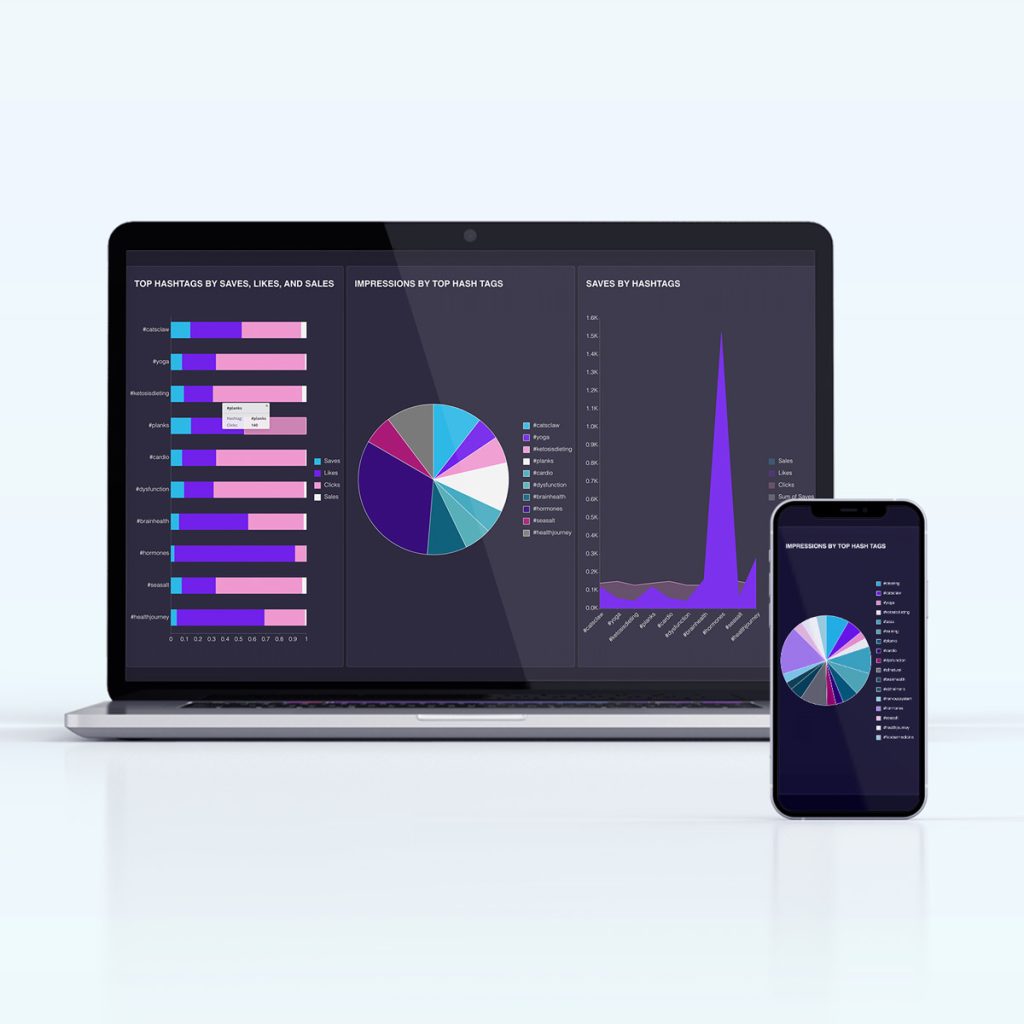
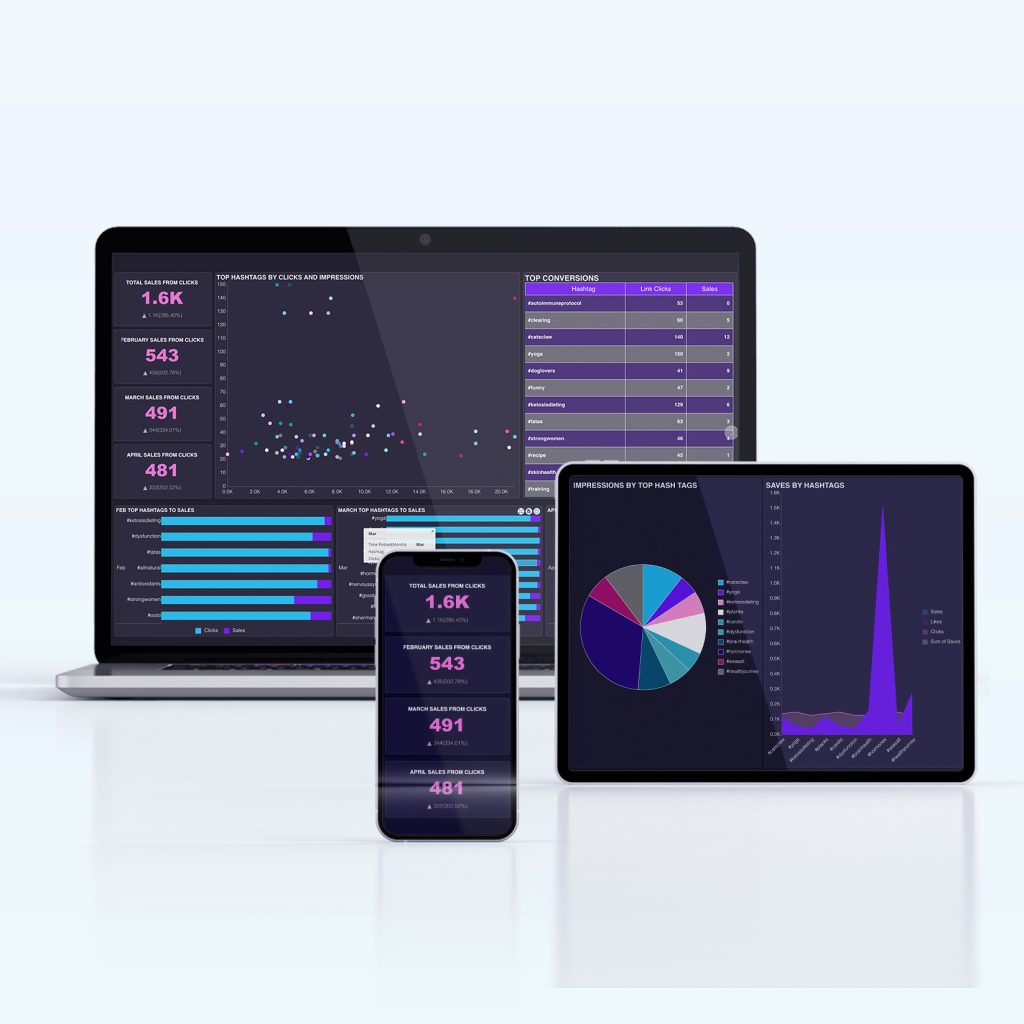
Interactive Social Media Dashboard – Understanding Hashtag Analytics
Why Embedded BI is the Next Normal
Traditional BI platforms require users to log in to separate tools, learn unfamiliar interfaces, and navigate away from their workflow to analyze data. Embedded BI removes these barriers by integrating analytics directly into existing business applications.
According to Gartner, embedded analytics is “a digital workplace capability where data analysis occurs within a user’s natural workflow, without the need to toggle to another application.” In practice, this means sales teams see conversion metrics in their CRM, inventory managers view demand forecasts in their supply chain software, and finance teams can run budget simulations in their ERP—all without leaving the tools they know.
Embedded BI benefits include:
- Higher adoption rates: Users don’t need to switch platforms or endure steep learning curves.
- Faster decisions: Insights are available exactly where and when they’re needed.
- Context-driven analysis: Data is presented in the context of specific tasks, improving relevance and actionability.
In a post-pandemic environment where agility is critical, embedded BI is quickly becoming the baseline for competitive businesses.
Overcoming Data Silos and Inaccuracies
Even the best BI tools fail if data is fragmented across systems. Many organizations still rely on disconnected spreadsheets or outdated databases. This creates multiple versions of the truth, leading to inconsistent reports, misinformed decisions, and diminished trust in analytics.
Data silos are particularly damaging in hybrid and remote environments, where teams depend on shared digital tools. Without a single source of truth, collaboration suffers and decision-making slows.
Embedded BI helps break down these silos by pulling from unified data warehouses, cloud data lakes, or integrated APIs. The result is a consistent, accurate, and secure flow of information to every user—no matter where they work.
When employees can trust their data, they are more likely to act decisively and align efforts across the organization.
Making Advanced Analytics Accessible for All Users
Embedded BI democratizes analytics by making it available to all employees, not just analysts or executives. Self-service capabilities let users filter, visualize, and drill down into real-time data without technical assistance.
For IT departments, this shift is transformative. Instead of spending hours generating routine reports, technical teams can focus on strategic projects like advanced modeling or predictive analytics. For business users, it means no more waiting days for data—they can act on insights immediately.
Features like interactive dashboards, customizable KPIs, and real-time alerts ensure that users always have the most relevant data in front of them. This accessibility supports faster problem-solving, more accurate forecasting, and greater accountability across teams.
Cost & Efficiency Advantages of Embedded BI
Rolling out a new standalone BI platform to an entire workforce can be expensive and time-consuming. Training, licensing fees, and integration efforts add up quickly. Embedded BI sidesteps these challenges by building analytics into the tools employees already use.
Key cost and efficiency benefits include:
- Lower deployment costs: No need to purchase and maintain multiple platforms.
- Reduced onboarding time: Minimal training required since analytics live inside familiar systems.
- Lower maintenance overhead: Upgrades and fixes are managed centrally.
- Faster ROI: Immediate integration into workflows accelerates the value of analytics investments.
Web-based deployment options further reduce infrastructure costs, making enterprise-grade analytics accessible even to mid-sized organizations.
Preparing for a Post-Pandemic, Hybrid Workforce Future
The hybrid workforce is here to stay. Employees expect flexibility, and organizations must support both in-office and remote productivity. Embedded BI plays a crucial role in making this possible.
In a hybrid model, every decision—from supply chain adjustments to marketing campaigns—must be informed by accurate, timely data accessible from anywhere. Embedded BI ensures that whether an employee is in a boardroom, at home, or on the road, they can make informed decisions without delays.
Businesses that invest now in embedded BI position themselves for long-term resilience. They can respond faster to market changes, operate more efficiently, and foster a culture of data-driven decision-making that transcends physical office walls.
Conclusion: Embedded BI as a Business Requirement
The pandemic made one truth clear: agility and data-driven insight are essential to survival. In a world where disruption can come overnight, organizations cannot rely on outdated, centralized BI models.
Embedded BI delivers the real-time, contextual insights that modern businesses need—right inside the tools their teams already use. It reduces costs, improves decision speed, and ensures data is accessible to every stakeholder.
Going forward, embedded BI won’t just be a competitive advantage; it will be a standard requirement for doing business in the post-pandemic era.
FAQ: Embedded BI in the Post-Pandemic Workplace
1. What is embedded BI?
Embedded BI integrates analytics directly into business applications, enabling users to access real-time insights without leaving their familiar workflows.
2. How is embedded BI different from traditional BI?
Traditional BI requires logging into separate platforms. Embedded BI delivers data where work already happens—within your CRM, ERP, or operational tools.
3. Why is embedded BI vital for hybrid and remote teams?
It ensures consistent, real-time data access no matter where employees work—boosting alignment, agility, and decision confidence.
4. Does embedded BI bring measurable benefits?
Yes—embedded analytics adoption is soaring, with proven results like ActiveProspect’s 90% internal adoption and JobNimbus’s reduced churn and better fit.
5. Is implementing embedded BI costly?
No—by embedding into existing tools, you reduce deployment, training, and maintenance costs while accelerating ROI.
Better Data Insights = Better Decisions
Let us show you how Wyn Enterprise can provide greater insights into your data.
Learn how to make data insights more attainable, actionable, and valuable. ↓

Vawn Himmelsbach
Vawn Himmelsbach is a writer and editor specializing in enterprise IT, writing for national newspapers and technology trade magazines on everything from AI to zero-day threats. She also spent three years working abroad as an Asian correspondent, covering all things tech.


Loved by industry
experts and real users